Trending

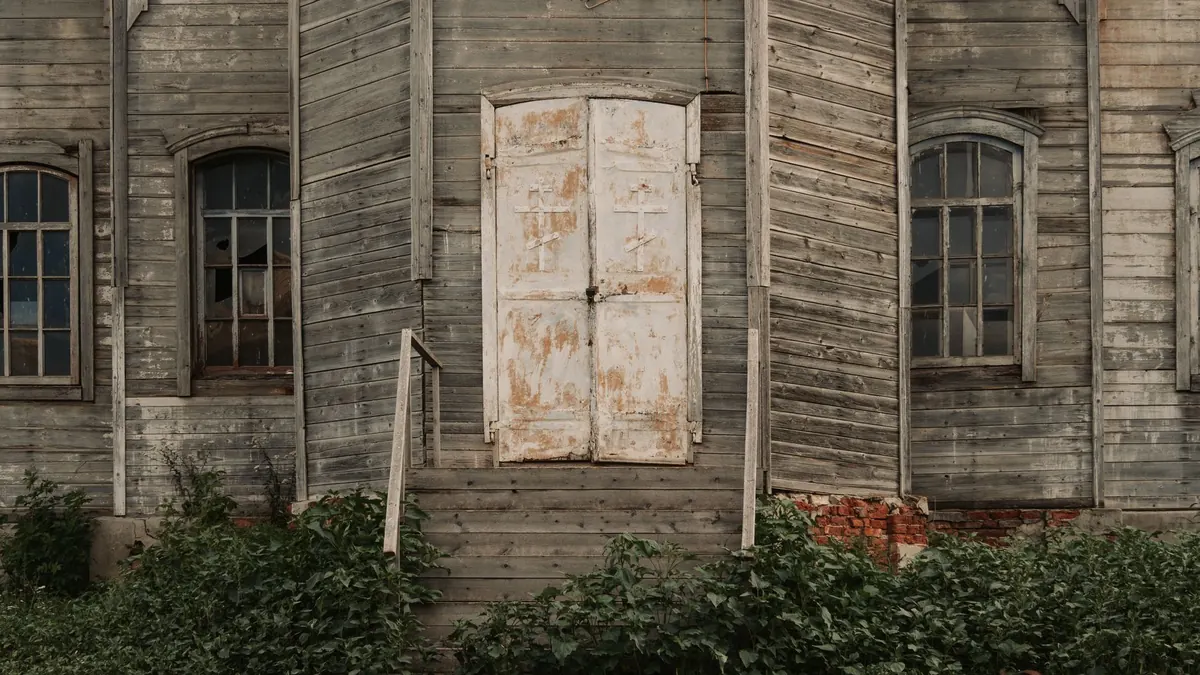
Most chapels carry two histories. One is polished: the anniversary booklet from 1974, the plaque by the door, the line in a denominational yearbook. The other is scattered — minutes in a cupboard, a water-stained baptism register, initials scratched into a windowsill, three leaning headstones at the back of the plot. The second history is the one people recognise when it is read aloud. It is also the one that disappears first. What follows is a workable order of research, starting inside your own building and working outward.
No record office knows your chapel the way its own cupboards do. Begin with a slow afternoon of opening things. Look for minute books, communion rolls, Sunday school registers, trust deeds, insurance schedules, hymn books with names written inside, anniversary leaflets, and the occasional tea urn engraved with a date and a donor.
Photograph each item before you move it, and leave things where they are unless they are actively deteriorating. If paper is mouldy or damp, isolate it and ask a county archive or conservator for advice rather than drying it on a radiator.
Keep a simple finding list as you go, on paper or in a spreadsheet, with four columns: item, dates covered, where it was found, and condition. That list will save you weeks later, and it is the first thing an archivist will ask to see.
Chapel records rarely sit in one place. Depending on the tradition, the minutes may be held by a denominational archive, the burial register by the local authority, and the deeds by a solicitor or a regional office. Start with the likely holders:
Read the deed and any trust schedule closely. They usually give a purchase date, a boundary, and the names of trustees, who are often the people whose families still sit in the third row. Census returns and trade directories can show when a street filled up, which goes some way to explaining why a chapel was planted when it was.
If your chapel has a burial ground, it is a dated index in stone. Note not only names but layout: family plots, the row that fills first, a gap in burials during one decade, the run of stones paid for by a single benefactor. Monumental inscription surveys are often held by family history societies, and they will save you from transcribing in the rain.
Then compare the stones with the registers. Discrepancies are not errors to correct; they are stories. A woman recorded under two surnames, a child's age differing by three years, a stonemason's name appearing on a dozen markers. Do bear in mind that recent burial registers may be closed, and ask the holder before publishing details of people who may have living relatives.
A photograph is evidence, and evidence rewards patient looking. Take one image and list what you can actually see: gas lamps or electric fittings, the shape of the windows, the state of the boundary wall, the numbers on the hymn board, the coats and hats, whether anyone is standing where a porch now stands.
Date photographs by comparison — a new roof, a war memorial, a tree that is now mature. Scan prints at a high resolution and name the files so that future readers can find them. On the back of a print, write names in soft pencil, never ink, and record who identified whom and when. Get permission before publishing images of people who may still be living, and check who holds copyright if a photograph came from a studio or a newspaper. For anything involving copyright, data protection, or property deeds, the relevant archive or a solicitor is the right place to ask.
An hour with an older member is worth a shelf of minutes, partly because they remember the ordinary things that never got written down. Record with permission, note the date and the interviewer, and be clear from the start about where the recording will be kept.
Transcribe at least the first ten minutes; that is usually where the useful detail sits. Send the finished text back to the person you interviewed so they can correct it. Memory is not a court transcript, so where it conflicts with a document, record both and say so.
Once the material is in one place, draw up a timeline. Ten or fifteen dated lines will do: land bought, first service held, schoolroom added, organ installed, extension built, Sunday school closed, building reopened. A timeline exposes the gaps, and the gaps tell you what to look for next.
Cite your sources as you write, even if only for yourself: Minute book, 12 March 1901, vestry cupboard. Deposit digital copies with the county archive or denominational archive, and tell them what else you hold. If you produce something for a wider readership, keep the tone plain. A well-annotated list of names and dates is more useful to the next researcher than a polished narrative with no references.
Write down the small things. The date of the first service is easy to find. Who made the tea is not.
You will not finish this work. Almost nobody does, and that is fine. Choose one slice — a decade, a building, a run of names — and complete that instead. Aim to have something shareable within a season: a short talk after a service, four pages in the newsletter, a display in the porch for the anniversary.
Before you close the cupboard, label the box, list what is inside, and tell two other people where it lives. The next person to open that door will be grateful you did.
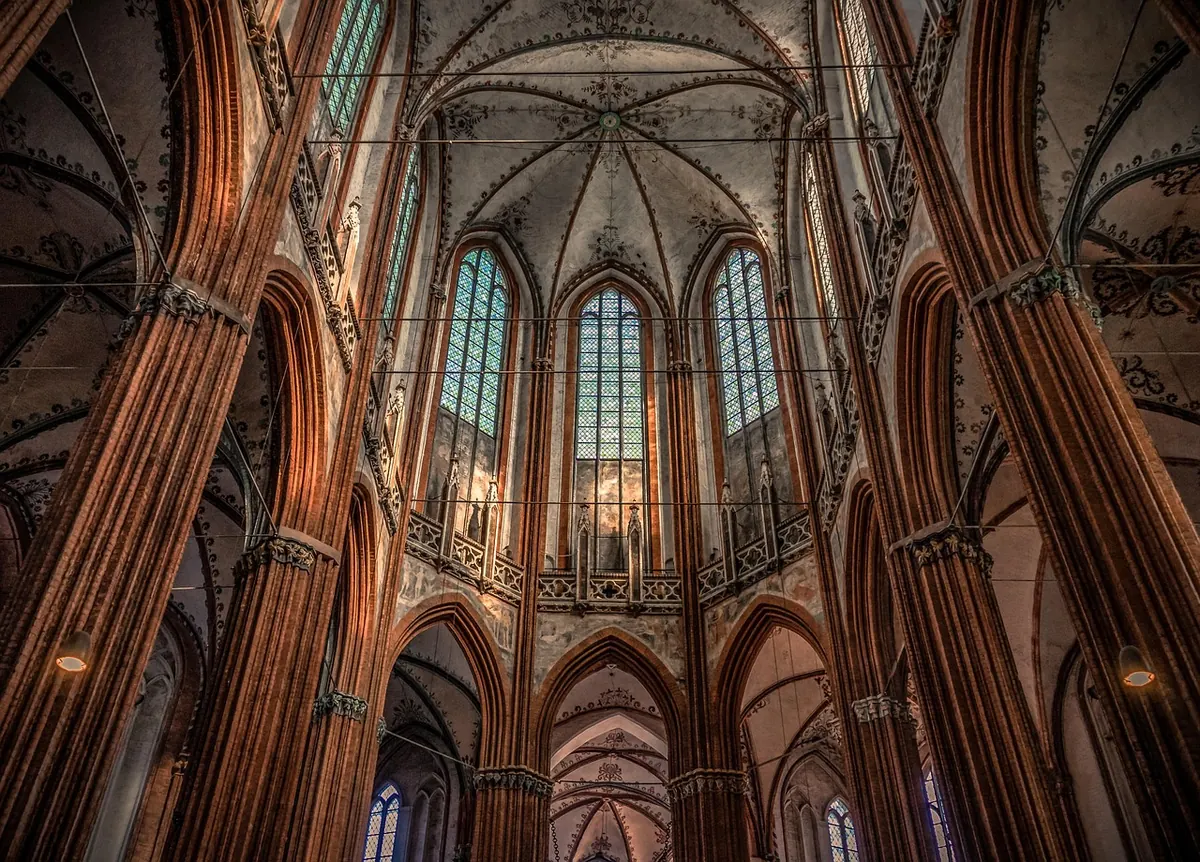
Photo: scholty1970 / Pixabay