Trending

A lunch-hour devotion does not need to be impressive. It needs to be clear. Fifteen minutes is enough time to read a passage aloud, say something true about it, pray, and send people back to their desks or their evening with something worth carrying. The constraint is the gift: when you only have a quarter of an hour, every part has to earn its place.
What follows is a working method for preparing a midweek chapel devotion you can lead without scrambling on the day, and one that people will still be thinking about on the drive home.
Before you open a commentary, a study Bible, or a search bar, answer a single question: what is the one thing I want people to carry out the door? Write the answer as one sentence, no more than twenty words long.
Something like: God is not embarrassed by small offerings. Or: The wilderness is not a punishment; it is a place where God speaks. That sentence is your landing truth. Everything else in the devotion either supports it or gets cut.
The most common mistake in short-form leading is trying to cover a whole chapter, or three ideas at once. Three ideas in fifteen minutes equals zero retention. One idea, said plainly, stays. If a friend asked you at the door what the devotion was about, you should be able to answer in a single breath. Keep a running note on your phone of passages and one-liners as they come to you, so you are never starting from scratch on a Wednesday.
You do not have to follow this exactly, but having a frame keeps you from drifting. Here is a shape that holds up in a chapel, a conference room, or a living room.
If you run long, trim the reflection. Never trim the Scripture or the prayer. Those are the load-bearing walls of the gathering.
Choose four to ten verses. Narrative passages can run a little longer; poetry and dense teaching passages should be shorter. Shorter is almost always better than you think.
Read the passage out loud at home, twice, once at half speed. Mark the sentence that carries the most weight and decide in advance where you will pause. When you stand up to read, slow down more than feels natural. A congregation can hear unhurried reading; they struggle to follow a rush.
Give two sentences of context at most, so people know who is speaking and what is happening. Resist the urge to explain every detail. The goal is not that they understand every clause but that they hear the text and feel its weight.
Build the reflection in three moves: what the text says, what it means, and what it asks of us. That structure will keep you from wandering and will keep listeners oriented.
Use one concrete image or ordinary story. A hospital waiting room at 2 a.m. A Tuesday commute. A conversation with a neighbor about a fence line. Avoid illustrations with a moral crowbar attached to them, the kind that end with a tidy bow. Real life is messier, and people can tell when they are being managed.
Write your notes on a single index card: five to seven bullets, not a full script. A full script pulls your eyes down and flattens your voice. If you need more than one card, you are probably trying to say too much.
Say the hard thing plainly. If the passage confronts complacency or fear, name it without softening. Warmth and honesty are not in conflict, and a short devotion can afford to be direct in a way a longer sermon sometimes cannot.
Tell people the shape of the prayer before you begin: “We will thank God, then ask for a few things, then sit in silence for a moment.” That one sentence lowers the anxiety of anyone who is not used to praying out loud.
A few habits that help:
If you invite someone else to pray, ask them a day ahead. Surprise prayers are not a gift to the person praying.
Do not summarize everything you just said. Repeat the landing truth in the same words you used at the start, or ask a question that will echo in the car. Then offer a short blessing or a verse, and end.
Before people stand up, tell them when you will meet again and what passage is coming. A devotion that ends with “same time next week” feels like a rhythm; one that just stops feels like a meeting.
Rooms are double-booked. Projectors fail. Someone shares a long update. Keep the Scripture and the prayer, say “Let’s keep moving” with a smile, and move. If you lose your place in the reflection, read the passage again; nobody in the room will mind, and most will be glad for it. The people gathered are not grading your performance. They came for a few minutes of quiet, a word from God, and a reason to keep going this week.
Consistency will do more for your midweek gathering than polish ever will. The same fifteen minutes, the same day, the same time, month after month, teaches people that this hour matters and that they can count on it.
You do not have to lead every one. Invite one or two others to prepare a devotion each month using this same shape, and hand them your notes as an example. A rotation keeps the work light and gives the community more voices.
Start with the next Wednesday on the calendar. Write your sentence, pick your passage, pray through it once, and show up. Fifteen honest minutes, prepared with care, is a real act of service, and it is enough.
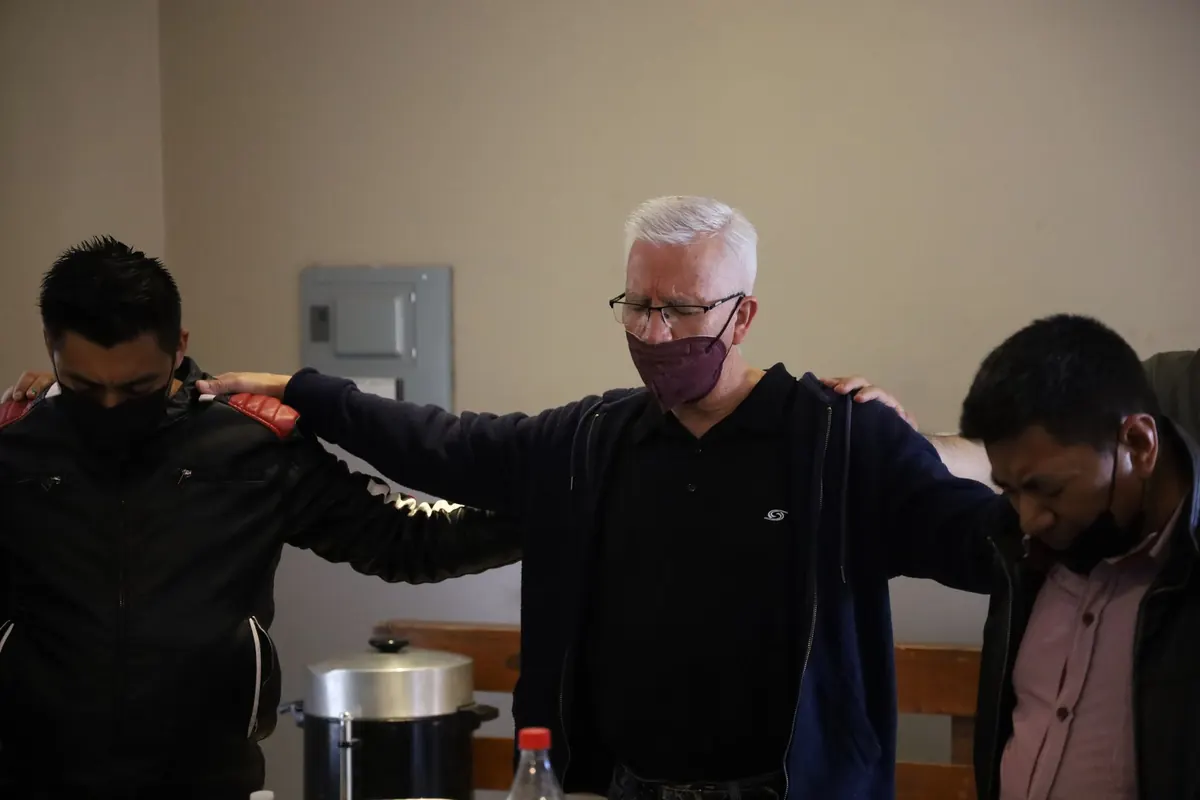
Photo: Joice Rivas / Pexels