Trending

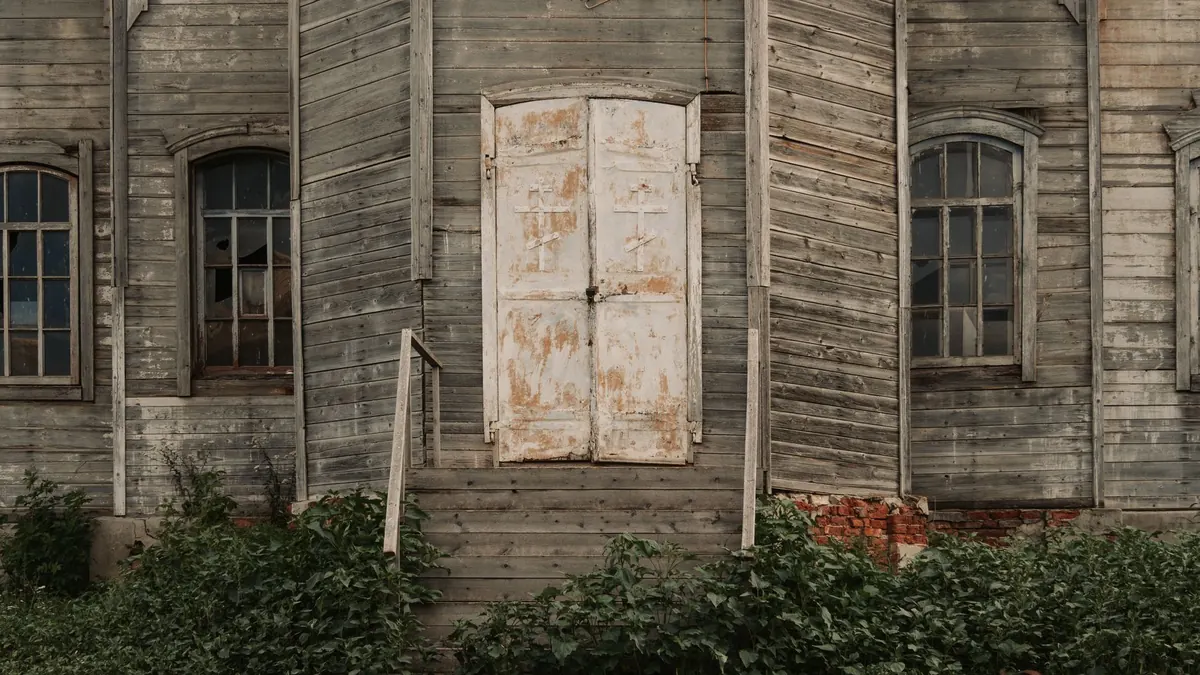
Christmas Eve is the one night when the quiet chapel on the corner becomes the most crowded room in town. People come who have not been in months, children in pajamas, neighbors curious about the singing. A candlelight service does not require a large budget or a professional choir. It requires a plan. Six weeks is enough time to shape music, candles, readings, and a welcome that helps every visitor feel expected rather than watched.
Begin with the non-negotiables: date, time, and length. A Christmas Eve service in a small chapel usually works best at 45 to 60 minutes, with room for people to arrive and linger afterward. Confirm the date with your pastor, musicians, and custodian before announcing it. Then put it where people actually look: the website, the printed bulletin, a sign by the road, a local events listing, and a short note in the neighborhood newsletter.
Next, name a small team. You need one person to own the order of service, one to coordinate music, one to handle candles and supplies, and one to lead hospitality. In a chapel of thirty or eighty people, the same person may wear two hats, but every task should have a name attached. Decide the feel of the night now: traditional lessons and carols, a quieter service of readings and reflection, or a simple family service with a shorter message. Write it down. Ambiguity is what makes volunteers anxious.
Music carries more weight on Christmas Eve than on almost any other Sunday. Choose carols the congregation already knows. Four to six is plenty. If you have a choir, give them music now and set rehearsal dates. If your music is a single piano, a guitar, or a recorded track, test the sound system early and have a backup plan. Ask yourself: can a visitor who has not sung since childhood join in by the second verse? If not, choose another carol.
Place the most familiar carols around the candle lighting and the closing. “Silent Night,” “O Come, All Ye Faithful,” and “Joy to the World” are sturdy choices because people know them. A solo or small ensemble can be beautiful, but do not let it replace the sound of the room singing together. If you use recorded music, check the volume and the transitions before the night. If you use live instruments, confirm the keys with your musicians so the congregation is not reaching for notes that are not there.
Choose four to six short readings rather than a marathon. The Christmas story from Luke 2 is central for many chapels, but you can also include Isaiah 9, Micah 5, John 1, and a brief reflection. Assign readers now. Give them the exact text and the version you want. Ask them to practice aloud once at home. If children read, pair them with an adult or choose a single short verse.
This is the week to settle the candle plan. Decide between hand-held taper candles and battery-operated candles. Many chapels use a mix: real candles for those who want them, battery candles for children, older adults, and anyone with breathing concerns. Whatever you choose, gather supplies now.
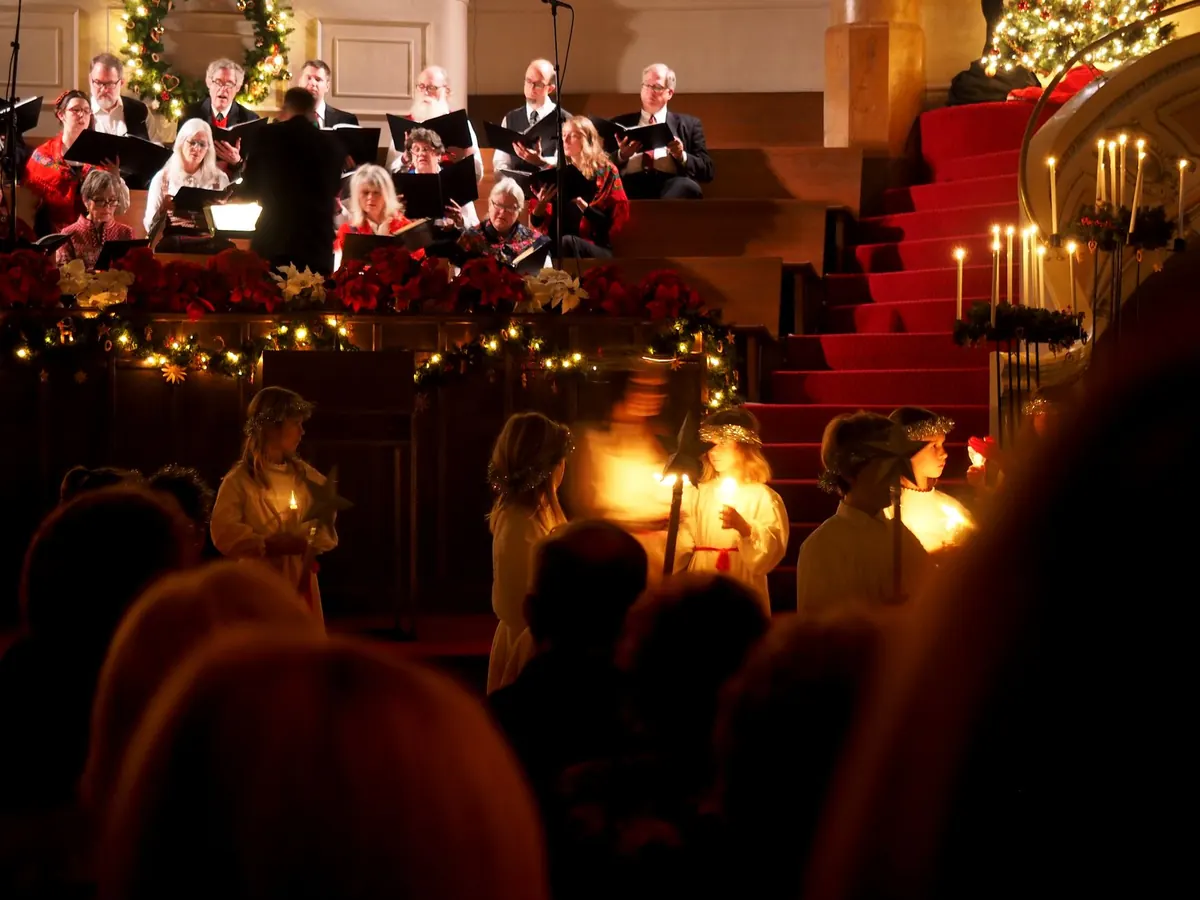
Walk through the lighting plan with your ushers. Will the candles be lit from the Christ candle at the front, or from usher to usher down the aisles? How will the congregation know when to light? A simple spoken instruction works: “Please hold your candle upright. Light it from the candle beside you, then pass the flame. Keep hair and clothing away from the flame.” Keep aisles and exits clear. Never let children handle lit candles without an adult nearby. If you are unsure about open flames, check with your local fire marshal, your building insurer, or your denomination’s safety guidance. Battery candles are not a failure; they are a thoughtful choice.
Now build the bulletin. Keep it clean and readable. A simple order might include:
Print large-print copies. Include a line that tells visitors what to expect: “All are welcome to sing, pray, or simply listen.” Assign greeters, ushers, readers, and candle lighters. Hold a short rehearsal, no more than 30 to 45 minutes. Have readers read at the microphone, practice the candle lighting, and walk the transitions. Time the service with a clock, not a guess. If it runs long, cut a reading or a carol rather than rushing the welcome.
Small chapels can be wonderfully warm and unintentionally confusing. A visitor may not know which door to use, where to sit, or when to stand. Fix that with clear signs, open doors, and a greeter who is watching for newcomers. Put someone outside with a flashlight if the parking area is dark. Make sure the entrance is shoveled, salted, and lit. If you have steps, know where the accessible entrance is and put a sign on it.
Inside, hand every person a bulletin. Say hello without an interrogation. “We’re glad you’re here” is enough. If your service includes Communion, explain how it works and who may participate. If it includes candles, explain that battery candles are available. Invite people to stay for cocoa, cider, or cookies after the service, and make sure someone is stationed near the food to welcome them. Announce the restrooms and nursery early. Visitors relax when they know the basics.
Arrive early. Warm the building. Dim the lights, but keep the aisles and exits visible. Test the sound, the lighters, and the candles. Put a basket of battery candles near the entrance. Greet people as they come, and start on time. During the service, keep spoken transitions brief. The story and the singing are doing the work.
When the candle lighting begins, slow down. Have one person give clear instructions. Light the first candle, then let the flame move through the room. Choose a carol that everyone knows, and start it after most candles are lit. Watch the room. If someone looks nervous, offer a battery candle. If wax drips, hand them a damp towel. Keep a calm presence at the front. After the blessing, do not rush people out. Let them linger, take photos, and talk. Have a cleanup team ready, but let the last carol fade before you start stacking chairs.
Before everyone scatters, gather the team for ten minutes. Ask three questions: What felt clear? What felt rushed? What should we change next year? Write down the candle count, the music list, the readings, and the names of volunteers. Keep it in a file labeled “Christmas Eve.” A note now saves an hour of guessing next December. Send a short thank-you to readers, musicians, and greeters. If visitors left contact information, a simple note in the new year can turn a one-night visit into a relationship.
The details matter because people are walking into a story they may only hear once a year. Make the welcome as clear as the candlelight, and the night will do its quiet work.
Photo: Blue Ox Studio / Pexels