Trending

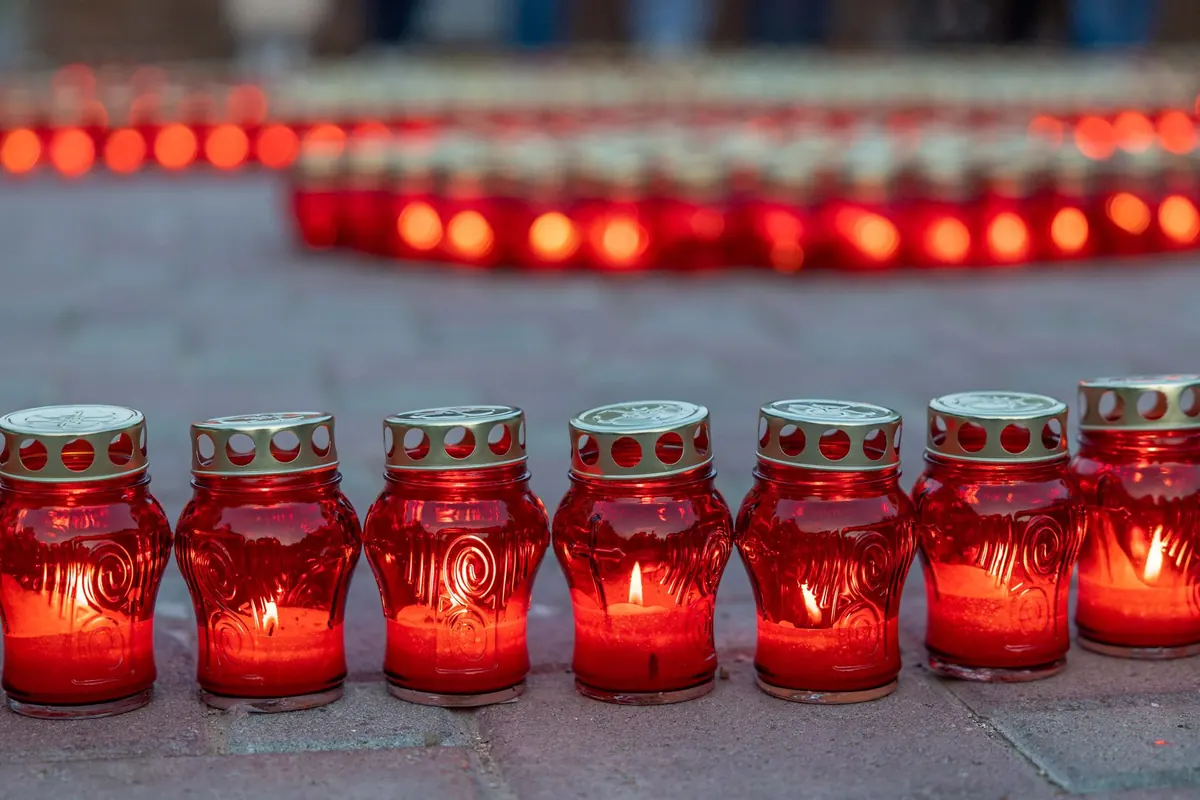
Most memorial services are planned during the worst week of a family's life. Decisions that would normally take a month get made in a Tuesday afternoon phone call, and the person making them is grieving, exhausted, or both. That is why the same handful of problems show up in chapel offices again and again. Not because anyone was careless, but because nobody had the bandwidth to see around corners.
What follows is the honest version of what tends to go wrong, and what to do instead. None of it is complicated. It just helps to hear it before the week begins.
The first call usually goes to the funeral home or the chapel, and a date gets penciled in. Then the family starts calling siblings, and half the time one of them is already booked on a flight, or a granddaughter has a final exam, or the pastor who actually knew the deceased is away that weekend.
Before you commit to anything, make three or four calls. Ask the immediate family. Ask the person you hope will lead the service. Ask anyone traveling from out of state. If a date is tight, ask whether a Friday evening or a Monday morning would open things up.
It is also worth asking the chapel what else is on the calendar that day. Two services back to back can work, but they rarely work well. Parking, cleanup, staff attention, and the quiet space a family needs afterward all get divided.
"Someone should read Scripture" is not a plan. Neither is "we'll figure out the music later." A role is only real when it has a name, a phone number, and a clear description of what the person does and when.
Here is the short list worth filling in before the day arrives:
Write a single page listing arrival times, the order of service, who speaks when, and the music cues. Send it to everyone with a job. Most day-of confusion disappears with one sheet of paper and one group text message.
Families are rarely as simple as the obituary makes them sound. There may be a second marriage, an estranged brother, stepchildren who called the deceased "Papa" for twenty years, or a best friend who did more caretaking than any relative. Language that assumes one shape of family quietly tells everyone else they were peripheral.
Watch for phrases like "the children" when you mean only two of the four, or "his real family" when you mean the first marriage. If you are unsure how someone was related or what they were called, ask. It takes ten seconds and prevents a lasting hurt.
If the death involved addiction, suicide, a long illness, or a difficult estrangement, ask the family before mentioning it publicly. Some want honesty. Some want privacy. Both are reasonable, and only they get to decide.
Say the name. Say what you loved. Skip the explanations unless the family has asked for them.
Grief does not follow a schedule, and some mourners will need more than a service can offer. If someone in the family is struggling in the weeks afterward, a pastor, counselor, or physician is a sensible next step.
It is a common instinct to include everything: three hymns, four eulogies, a slide show with two hundred photographs, a poem from a granddaughter, and a letter read aloud. The result is usually a service that runs long, an audience that stops absorbing anything after the first forty minutes, and a family too drained to greet anyone at the reception.
Aim for something closer to forty-five to sixty minutes. Two or three speakers, each held to five minutes, will land harder than six speakers nobody can remember. Choose a few dozen photographs rather than a few hundred. And leave room for silence. A moment of quiet after a hard reading often does more work than another tribute.
People arrive at a chapel in all kinds of physical condition. Some are recovering from surgery. Some cannot hear well. Some are bringing small children because there was no other option. A little planning covers most of it:
Weather matters too. If guests will be standing outside for a graveside portion, mention it in the announcement so people bring coats or umbrellas.
That last item is the one families remember longest. The service itself passes in an hour. The follow-up is what tells a grieving person they are still held by their community.
Photo: Sergei Starostin / Pexels